Cosmetology and Beauty: The Art and Practice of Personal Care
Cosmetology brings together creativity, personal care, and practical expertise to help people look and feel their best. It includes services and routines related to skincare, hair care, makeup, grooming, and overall presentation. More than a collection of trends, beauty care can be a thoughtful form of self-expression and wellbeing when it is approached with realistic expectations, good hygiene, and respect for individual needs.
The Role of Cosmetology
Professional cosmetology combines technical knowledge with an understanding of face shapes, hair textures, skin types, color, proportion, and personal style. Cosmetologists may provide or specialize in services such as cutting and styling hair, coloring, manicures, skincare treatments, makeup application, and occasion-ready preparation. A skilled professional listens carefully, explains realistic options, and adapts recommendations rather than applying the same approach to everyone.
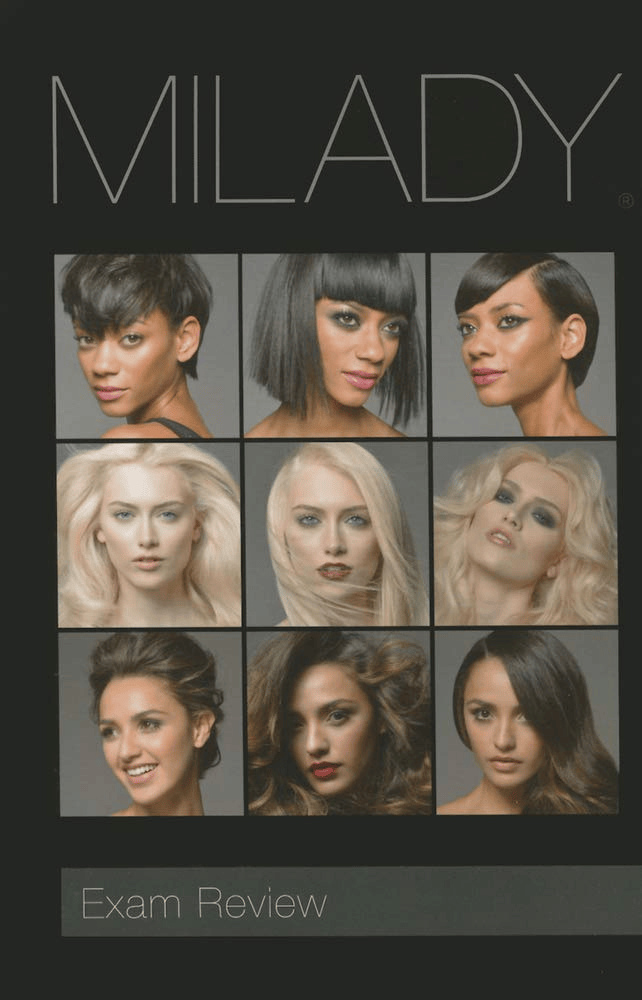
https://amzn.to/4zqXcQI Exam Review for Milady Standard Cosmetology
Skincare: Building a Consistent Foundation
Healthy-looking skin is supported by consistent, uncomplicated care. A basic routine often includes gentle cleansing, moisturising when needed, and daily broad-spectrum sun protection. Products should be chosen with skin concerns and sensitivities in mind, and new products are best introduced gradually. Exfoliating or layering many active ingredients is not automatically better; overuse can contribute to dryness or irritation. Persistent, painful, or changing skin concerns should be discussed with a qualified healthcare professional.
Hair Care for Different Needs and Textures
Effective hair care begins with understanding the hair’s texture, density, condition, and styling history. Shampooing frequency can vary, while conditioner and leave-in products may help support softness and manageability. Heat tools, chemical services, and tight styles can place stress on hair, so moderate temperatures, heat protection, varied styling, and regular trims may be helpful. Curly, coily, straight, fine, thick, and chemically treated hair can all benefit from different techniques; personalised advice is often more useful than a universal routine.
Makeup as Expression and Enhancement
Makeup can be used for subtle enhancement, creative expression, photography, celebrations, or simply enjoyment. A polished application usually starts with clean, moisturised skin and products suited to the desired finish. Blending, thoughtful color placement, and choosing shades that complement the wearer can create a balanced result, but there is no single correct way to wear makeup. Removing makeup gently at the end of the day and keeping tools clean are important parts of responsible use.
Hygiene and Safety Matter
Clean practices protect both clients and professionals. Salons and studios should maintain tidy work areas, wash or sanitise hands appropriately, disinfect reusable tools according to product and local requirements, and use single-use items when necessary. Products should be stored properly and checked for changes in smell, texture, or expiration. Avoid sharing mascara, lip products, razors, or other personal-use items. Tell a professional about allergies, sensitivities, relevant treatments, or previous reactions before a service, and speak up immediately if a procedure feels painful or unusually uncomfortable.
Choosing Qualified Beauty Professionals
When selecting a cosmetologist, stylist, esthetician, or makeup artist, look for appropriate training, relevant licensing where required, transparent pricing, and a clear consultation process. Reviews and portfolios can provide useful context, especially when they show work on a range of hair textures, skin tones, ages, and styles. A qualified professional should explain what a service involves, discuss aftercare, respect your boundaries, and avoid promising guaranteed results. For treatments that affect the skin, hair, or body more intensively, ask about qualifications, risks, patch testing, and when a medical referral may be appropriate.
Inclusive Beauty for Every Person
Beauty is not limited by gender, age, skin tone, body type, disability, hair texture, or cultural background. Inclusive beauty means offering respectful communication, accessible services, representative products, and techniques that work for a broad range of people. Clients should be able to define their own goals without pressure to conform to a narrow ideal. Professionals who continue learning about diverse needs can create more welcoming experiences and more dependable results.
Practical Maintenance Tips
- Keep a simple routine that you can follow consistently rather than frequently changing products.
- Protect skin from excessive sun exposure and follow product directions carefully.
- Use clean brushes, combs, towels, and tools, and replace products when they are no longer suitable.
- Give hair and skin recovery time between intensive services when possible.
- Book consultations for significant changes, and maintain realistic expectations about what a service can achieve.
- Stop using a product or service if it causes a concerning reaction and seek appropriate professional advice.
A Balanced Approach to Beauty
The best beauty routine is one that supports comfort, confidence, and personal choice. Cosmetology offers valuable skills and creative possibilities, while informed clients bring their own preferences, experiences, and boundaries to every service. By combining qualified guidance with careful hygiene, inclusive practices, and steady maintenance, beauty can remain enjoyable, expressive, and grounded in realistic care.
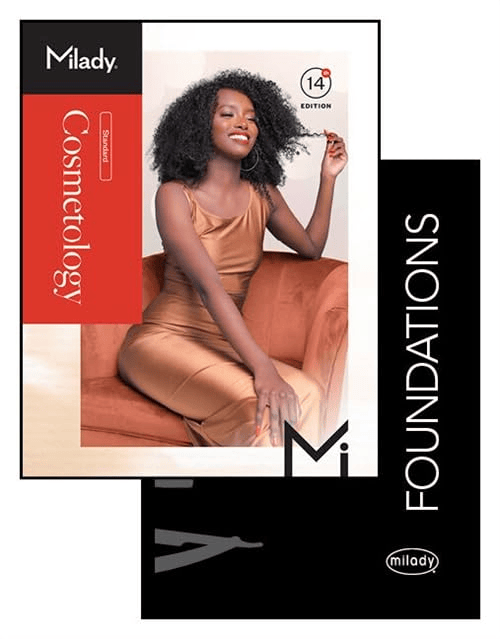
https://amzn.to/4BclfVg Milady Standard Cosmetology with Standard Foundations (Hardcover)


Leave a Reply